
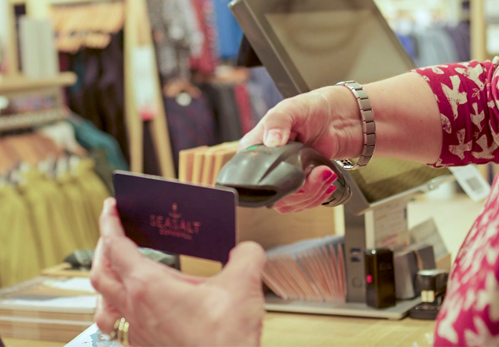
Graham looks at how the brands can drive change towards a more sustainable future without compromising on quality and impact.




The UK gift, loyalty and membership card production print industry has an enormous opportunity to improve its sustainability credentials and perceived environmental impacts.
With more choices than ever before, brands face increasing pressure to attract and retain customers, with sustainability emerging as one of the paramount concerns. So, how do green initiatives aid in bolstering customer loyalty for UK brands?





A shift is underway, and digital printing is leading the charge towards a more sustainable future, particularly in the gift card sector.
I want to share my thoughts on the direction the industry is heading and how we best make the most of the opportunities that lie ahead.
Emotional loyalty
It may feel like a leap to say that sustainable print production can improve brand loyalty, but the evidence is there – it can!
For context, building brand loyalty has become an increasingly formidable challenge. British consumers are not merely seeking high-quality products and exceptional service; they are aligning themselves with brands that share their values and ideals.
Emotional loyalty is the bond that consumers forge with brands based on shared values, beliefs, and experiences. Unlike transactional loyalty, which is driven by incentives or discounts, emotional loyalty is rooted in authenticity, trust, and emotional resonance.
When consumers feel a genuine connection with a brand, they are more inclined to remain loyal, advocate for the brand, and engage in repeat purchases over time.
In fact, a study by Motista revealed that customers with a strong emotional connection to a brand possess a 306% higher lifetime value compared to those who lack such a connection.
Changing attitudes
British consumers, shareholders and other stakeholders are changing their approach to the issue of sustainability. With growing concerns about climate change, environmental degradation, and social injustices, customers are increasingly seeking out brands that demonstrate a commitment to sustainability and ethical business practices.
Studies indicate that 78% of British consumers consider sustainability to be important, and products marketed as sustainable are growing 2.7 times faster than others.
From eco-friendly packaging to fair labour practices, sustainability has become a key differentiator for UK brands looking to attract and retain customers in today’s competitive marketplace.
By aligning with partners that share their values and actively contribute to environmental and social causes, UK brands can cultivate emotional loyalty among their customer base, fostering a deeper connection that transcends mere transactional relationships.
The Future’s green
For years, gift cards were predominantly made from plastic, contributing to the growing problem of needless plastic waste. There has been a transition from plastic to paper over the last 5 years or so, but we need to go further.
As consumers become more environmentally conscious, brands are under pressure to find sustainable alternatives – particularly as Scope 3 emissions play an increasingly important role in sustainability reporting.
This is where digital printing on paperboard comes into play.
I recognised, for some time, the environmental impact of plastic cards and more recently the waste associated with traditional print techniques for cards even on paperboard and have set out to disrupt the status quo again!
Paperboard, if sourced responsibly, and ideally virgin material has a significantly lower carbon footprint than plastic and even recycled paper. However, the challenge to producing gift cards more sustainably wasn’t limited to sourcing the best materials.
One of the major challenges we faced was finding partners with technology capable of printing on our material of choice, Holmen Iggesund’s Invercote Duo. This is where the opportunity for the UK digital print sector, in my opinion, lies – investment in upgrading technologies for the future.
By partnering with innovative companies like Ricoh, we’ve been able to leverage digital printing technology to produce short-run, on-demand paperboard gift cards with variable data and personalisation and offer more creative flexibility.
Brand new opportunities
This shift towards digital printing has opened up a world of possibilities for brands.
They’re no longer constrained by the limitations of traditional mass production. Variable data printing allows for targeted messaging, while on-demand production minimises waste and overproduction. This means that brands can now be reactive to produce content that aligns with marketing campaigns and resonates with specific demographics.
However, disrupting an industry deeply entrenched in traditional practices is no easy feat.
We faced initial resistance from the plastic card printing industry, and even today, we encounter challenges in convincing larger brands to adopt digital printing, move away from the mindset of printing based on forecasted sales and embracing real sales data to make informed decisions that save money and lower environmental impact.
Yet, the tide is turning.
Smaller, independent brands are leading the way, embracing sustainable paperboard digitally printed gift cards as a reflection of their environmental commitment. As consumer demand for eco-friendly products grows, larger brands will inevitably have to follow suit.
Positivity in print
At the heart of this sustainable revolution is a passion for leaving a positive legacy.
We believe that even small, incremental changes can collectively make a significant difference in reversing the damage done to our planet.
By collaborating with like-minded partners, like Ricoh, and challenging the status quo, we can drive innovation and pave the way for a more sustainable future.
The power of digital printing extends far beyond gift cards.
It has the potential to revolutionise various sectors, enabling on-demand production, personalisation, and reduced waste. As technology continues to evolve, the possibilities for sustainable printing solutions will only expand.
In an era where environmental responsibility is paramount, the print and marketing industries have an opportunity to lead by example.
By embracing sustainable practices, leveraging innovative technologies like digital printing, and challenging traditional mindsets, we can create a future where print and sustainability coexist harmoniously.
Top tips for making printing more sustainable:
- Embrace Sustainable Materials:
Explore eco-friendly alternatives to traditional printing materials. Consider using paperboard sourced from responsibly managed forests or other renewable resources with a lower carbon footprint than plastic or non-renewable materials.
- Leverage Emerging Technology:
Proactively invest time in understanding the latest trends and using emerging tech solutions that enable on-demand production, variable data printing, and personalisation. This minimises waste, overproduction, and allows for targeted, relevant content that resonates with consumers.
- Challenge Traditional Mindsets:
Be willing to disrupt the status quo and challenge long-standing industry practices that may be environmentally unsustainable. Don’t be afraid to pioneer new approaches and innovative solutions, even in the face of resistance.
- Collaborate and Partner for Co-Innovation:
Seek out like-minded partners and companies that are open to exploring sustainable printing solutions. Collaboration and knowledge-sharing can drive innovation and accelerate the adoption of eco-friendly practices.
- Cultivate a Commitment to Sustainability:
Instil a genuine passion for environmental responsibility throughout your organisation. Encourage a mindset that prioritises sustainability and recognises the impact of small, incremental changes. Strive to leave a positive legacy for future generations.
- Be brave. Don’t wait for others to lead. Take the opportunity to be trailblazers, your shareholders and customers alike will love you for it.
By following these top tips, printing businesses can contribute to a more sustainable industry, reduce their environmental footprint, and meet the growing demand for eco-friendly products and services from conscientious consumers.
https://www.greengiftcards.co.uk
